

Obstacle 1: Dietary Restriction Fatigue
Following an elimination or low-FODMAP diet requires significant dietary changes, which can lead to fatigue and boredom with limited food options [1][2]. Patients may struggle to maintain compliance long-term, leading to cravings and lapses [2][3].
Solution: Heal with Dr. Shivani recommends you incorporate diverse low-FODMAP foods and creative cooking techniques to prevent monotony [1]. Use approved food lists and experiment with herbs/spices for variety [1][4].
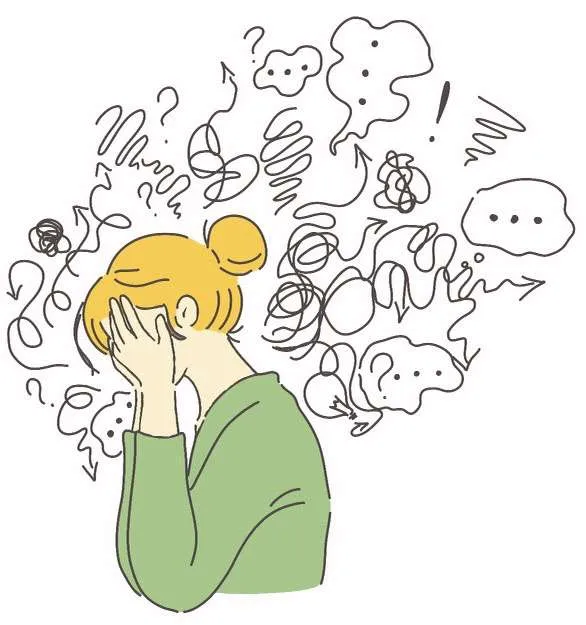
Obstacle 2: Social Isolation and Anxiety
Dietary restrictions often cause social isolation, as patients avoid dining out or gatherings where food is central [3][5]. This can trigger anxiety, loneliness, and feelings of exclusion [5].
Solution: Heal with Dr. Shivani advises you to communicate needs openly with friends/family to reduce stigma [5]. Choose non-food social activities (e.g., hiking, art classes) [3]. Join online communities (e.g., IBS support groups) for shared experiences [3][5].
Obstacle 3: Overwhelming Supplement Choices
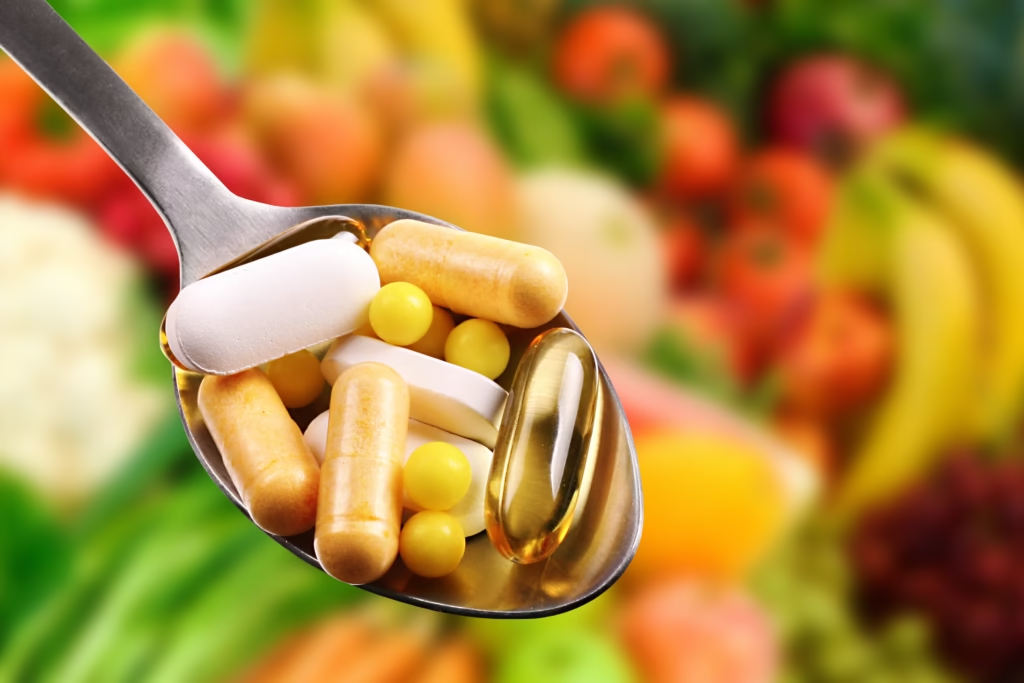
The supplement market is saturated with unverified claims, making it hard to identify safe, effective options [4][6].
Solution: Seek personalized recommendations from a gastroenterologist or dietitian [6]. Prioritize evidence-based supplements (e.g., probiotics vetted by NCCIH) [4].
Obstacle 4: Inconsistent Symptom Relief
Even with strict adherence, patients may experience unpredictable flare-ups, leading to frustration [2][6].
Solution: Track symptoms and triggers via journals or apps to identify patterns [6]. Focus on long-term progress, not daily fluctuations [2].
Conclusion
Gut healing requires persistence, professional guidance, and self-compassion [2][6].
Celebrate small wins and trust the process—your efforts today will yield lasting health improvements [3][5]. For expert guidance, you can always Heal with Dr. Shivani.
References
- Monash University. (2023). The low-FODMAP diet: A beginner’s guide. https://www.monashfodmap.com/
- Gibson, P. R., & Shepherd, S. J. (2010). Evidence-based dietary management of functional GI disorders. Journal of Gastroenterology and Hepatology, 25(2), 252–258. https://doi.org/10.1111/j.1440-1746.2009.06149.x
- Lacy, B. E., et al. (2016). Bowel disorders. Gastroenterology, 150(6), 1393–1407. https://doi.org/10.1053/j.gastro.2016.02.031
- National Center for Complementary and Integrative Health. (2023). Probiotics: What you need to know. https://www.nccih.nih.gov/health/probiotics
- Chey, W. D., et al. (2021). ACG clinical guideline: IBS management. American Journal of Gastroenterology, 116(1), 17–44. https://doi.org/10.14309/ajg.0000000000001036
- Ford, A. C., et al. (2018). Efficacy of prebiotics and probiotics in IBS. Gut, 67(6), 1080–1088. https://doi.org/10.1136/gutjnl-2017-315664